
New research shows that rainwater in most locations on Earth contains levels of chemicals that "greatly exceed" safety levels.
These synthetic substances called PFAS are used in non-stick pans, fire-fighting foam and water-repellent clothes.


New research shows that rainwater in most locations on Earth contains levels of chemicals that "greatly exceed" safety levels.
These synthetic substances called PFAS are used in non-stick pans, fire-fighting foam and water-repellent clothes.

According to the World Bank, 44 percent of plastic waste at surveyed sites is made up of take-away food and drinks.
The World Bank released a report this week that shows that the take-away related waste accounted for 43.6 percent in number and 35.1 percent in weight of the total plastic waste, followed by fisheries-related waste (32.6 percent in number and 30.6 percent in weight), and household-related waste (21.6 percent in number and 22.8 percent in weight).

This finding, based on an analysis of nearly 400,000 infants in Taiwan, is the first that links by-products of water chlorination to three specific birth defects.

UBC Okanagan Earth, Environmental and Geographic Sciences Professor Adam Wei, PhD candidate Qiang Li and researchers from the Chinese Academy of Forestry recently published a study examining the impacts of how changes in forest vegetation effect water supplies.

The study has recently been published in the Journal of Health Economics in an article titled: Lead in Drinking Water and Birth Outcomes: A Tale of Two Water Treatment Plants.

Per- and polyfluoroalkyl substances (PFAS) are known as "forever chemicals" because they can stay in the environment for a very long time. These chemicals have been linked to health problems, including cancer. Middle-aged women with higher blood concentrations of PFAS may be at risk for these health problems, according to new research published today in Hypertension, an American Heart Association journal.
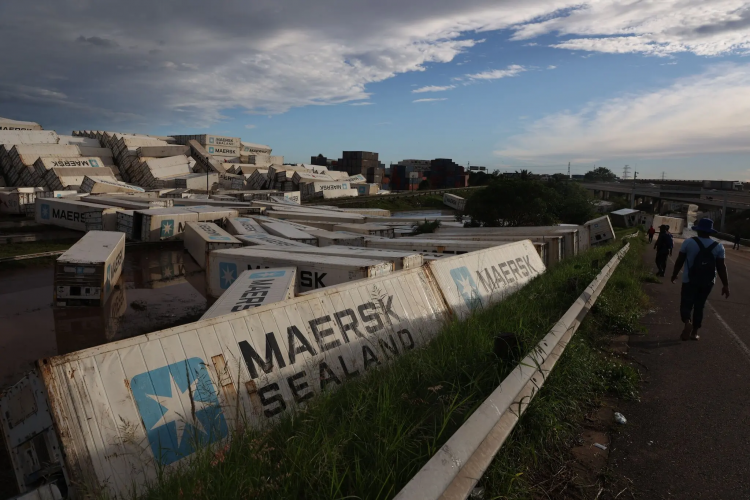
Scientists have found that the heavy rains that caused catastrophic flooding in South Africa in mid-April were made twice as likely to occur by climate change.

As we go about our day-to-day lives, little changes in our daily routine can make a big impact on the environment. For example, avoiding wasting water or recycling products can help protect the planet blue. By using a water softener, we can also help save money on household bills.

Hundreds of people flooded the streets of To Huu, Tran Bach Dang or R12 over the last holiday weekend, parking their cars on the streets and pavements. These empty land plots near the Saigon River have become places for people to hang out during the weekends with stalls popping up with tables and chairs along the pavements.

We are delighted to announce that BWT will be deepening its partnership with Formula 1 over the next few years. Following the great success of our title sponsorship in Austria, we believe that a far-reaching multi-year partnership is the next logical step in our joint commitment against the use of single-use plastic and for sustainable positive change.